The gallbladder is only one part of a larger system called the biliary system. This system includes the liver, gallbladder, and bile ducts.
The liver produces bile. The gallbladder stores and concentrates it. The bile ducts are the small tubes that carry bile from the liver and gallbladder into the small intestine, where bile helps break down fats.
Think of it as a drainage system. If something gets into those small tubes and causes inflammation or blockage, bile may not flow normally.
Key Takeaways
How Do Parasites Get Into the Biliary System?
Different parasites take different routes.
Some liver flukes enter the body through contaminated food, including raw or undercooked freshwater fish or certain contaminated aquatic plants. After entering the digestive system, they can migrate to the liver and bile ducts.
Other parasites, such as Ascaris roundworms, normally live in the intestines but can sometimes travel upward into the bile ducts.
Once parasites reach the biliary system, they may live, move, feed, reproduce, or trigger inflammation in and around the bile ducts.
What Happens When Parasites Reach the Bile Ducts?
The bile ducts are narrow. They are designed to move bile, not worms, parasite eggs, inflammatory debris, or damaged tissue.
Depending on the parasite, an infection can contribute to:
- Inflammation and swelling of the bile ducts
- Irritation and damage to the duct lining
- Thickening or narrowing of the bile ducts
- Reduced or blocked bile flow
- Bacterial infections behind an obstruction
- Accumulation of mucus, cellular debris, parasite material, or eggs
- Increased risk of certain types of biliary stones
Some liver flukes can release eggs into the bile ducts. These eggs are carried with bile into the intestine and eventually leave the body in stool. However, chronic infection can continually irritate the biliary system.
In some cases, parasite eggs, dead parasite material, mucus, bacteria, and other debris may contribute to the material around which certain biliary stones develop. This is one reason parasitic infections are recognized as a potential contributor to some pigment stones and bile-duct stones, particularly in areas where biliary parasites are common.
The Parasite-to-Stone Connection
The process can be simplified like this:
- 1Parasite enters the body
- 2 reaches the liver or bile ducts
- 3 causes irritation and inflammation
- 4 interferes with normal bile flow
- 5 debris and bile components accumulate
- 6 stones or other biliary complications may develop
This does not mean that every gallstone is caused by a parasite. Most gallstones in the United States are cholesterol stones and have other causes.
But parasites should not be completely ignored when discussing the biliary system. Clonorchis, Opisthorchis, Fasciola, and Ascaris are all known to affect the liver, bile ducts, or gallbladder.
What Should You Look Out For?
Possible signs of a gallbladder or biliary problem include:
- Pain under the right rib cage
- Upper abdominal pain after eating
- Pain that travels into the back or right shoulder
- Nausea or vomiting
- Difficulty tolerating fatty meals
- Jaundice
- Dark urine
- Pale or clay-colored stool
- Fever or chills
These symptoms do not automatically mean you have parasites. They can also be caused by ordinary gallstones and many other medical conditions.
Understanding how parasites move through the body is important. They do not all simply stay in the intestines. Some species have evolved specifically to migrate into organs and ducts where they can survive for years.
How the 90-Day Detox Protocol Supports the Body
If the digestive system, liver, gallbladder, bile ducts, and kidneys are all connected, why would you focus on only one part of the system?
The Boost Blenz 90-Day Detox Protocol is designed as a sequence:
- 115 DaysLiver Cleanse with Activated Charcoal Binder
- 215 DaysKidney Cleanse with Activated Charcoal Binder
- 330 DaysParasite Cleanse with Activated Charcoal Binder
- 430 DaysHeavy Metal Detox
The basic idea is simple: support the body's normal processing and elimination systems first, then move into the longer parasite and heavy-metal phases.
Days 1–15: Liver Cleanse
The liver produces bile, which then travels through the bile ducts and can be stored in the gallbladder before entering the small intestine.
This makes the liver central to the entire biliary system.
The Liver Cleanse contains:
Lemon Powder, Organic Cayenne Pepper, Ginger Root Powder, Milk Thistle, and Turmeric Powder.
These ingredients are used as nutritional and herbal support for digestion, antioxidant activity, and normal liver function. Milk thistle and turmeric, in particular, have been widely studied for their plant compounds and potential effects on oxidative stress and inflammatory pathways.
The goal of this first phase is not to claim that the herbs flush stones or physically remove parasites from the bile ducts. It is to begin the protocol by supporting the organ responsible for producing bile and processing many substances that enter the body.
For someone concerned about the biliary system, this is where the protocol begins: the liver.
Days 16–30: Kidney Cleanse
Next comes the Kidney Cleanse:
Juniper Berry, Nettle Root Powder, Horsetail, Hydrangea Root, and Blessed Thistle.
The kidneys filter the blood and regulate water, electrolytes, and the removal of many water-soluble waste products through urine.
This phase is intended to support normal urinary and kidney function before beginning the longer parasite and heavy-metal phases.
It is important to understand that the liver and kidneys eliminate different substances through different pathways. The liver processes compounds and releases some waste through bile, while the kidneys filter the blood and eliminate many waste products through urine.
The body does not have one single "detox pathway." It has multiple interconnected systems.
Days 31–60: Parasite Cleanse + Activated Charcoal Binder
The third phase is the 30-day Parasite Cleanse:
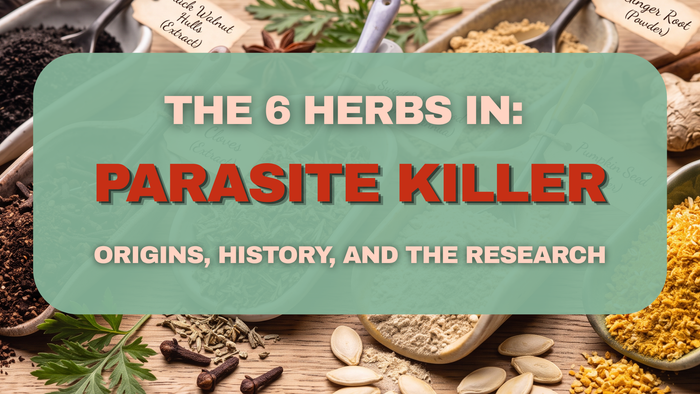
Green Black Walnut Hull Extract, Sweet Wormwood (Artemisia annua), Clove Extract, Orange Peel Powder, Pumpkin Seed Powder, and Ginger Root Powder.
These herbs have a long history of traditional use in herbal parasite-cleansing practices.
This is the phase specifically focused on the intestinal environment and traditional herbal parasite support.
Why does this matter when discussing the gallbladder and biliary system?
Because some parasites do not necessarily remain in one location. Depending on the species, parasites can live in the intestines, migrate through tissues, or enter the liver and biliary system. Liver flukes can inhabit the bile ducts, while Ascaris roundworms can occasionally migrate from the intestine into the biliary system.
Why Use an Activated Charcoal Binder?
Activated charcoal works inside the gastrointestinal tract by adsorbing certain substances onto its surface. It is not absorbed into the bloodstream.
The concept behind using a binder during a cleanse is to bind certain compounds that are present in the digestive tract so they can leave the body through the stool.
Days 61–90: Heavy Metal Detox
The final 30 days use:
Green Tea, Barley Grass Juice Powder, Lemon Powder, Spirulina, and Chlorella.
This phase provides nutrient-dense plant and algae ingredients containing chlorophyll, polyphenols, antioxidants, and other naturally occurring compounds.
The purpose of placing this phase last is to finish the 90-day program with a longer period focused on nutritional support and clean up. After parasites die they can leave waste in the body, this formula will naturally bind and clean up waste left by parasite die off.
So what are you waiting for? It's time to take control and detox so you can be the best version of yourself.