Pinworms are small, thin, white parasitic worms that live in the human intestines. They are one of the most common intestinal worm infections, especially in children, households, schools, daycare settings, and shared living environments.
The reason pinworms spread so easily is simple: they spread through microscopic eggs. These eggs can move from the body to hands, fingernails, bedding, clothing, towels, bathroom surfaces, toys, food, and other people. Once swallowed, the eggs hatch in the intestines, grow into adult worms, and continue the cycle.
Key Takeaways
Where Pinworms Come From
Pinworms come from swallowed eggs.
The eggs are too small to see with the naked eye. They can collect under fingernails, land on fabrics, spread through bathrooms, or move from contaminated hands to food.
Once inside the body, the eggs hatch in the small intestine. The worms mature in the digestive tract. Female worms then travel to the anal area at night and lay more eggs. This can cause itching, which leads to scratching, which spreads more eggs.
That is why pinworms are so common. They fit perfectly into normal daily behavior: touching surfaces, using shared bathrooms, sleeping in bedding, handling towels, preparing food, and touching the face or mouth.
Exposure Source

Eggs spread by hitchhiking throughout your home. This is why reinfection is so common.
Common Signs of Pinworms
Some people notice symptoms. Others do not.
The most common sign is itching around the anus, especially at night. This happens because female worms lay eggs in that area during sleep.
Possible Sign
-
Nighttime itching
Female worms lay eggs around the anus -
Restless sleep
Itching can interrupt sleep -
Irritability
Poor sleep and discomfort can affect mood -
Digestive discomfort
The gut may feel unsettled -
No obvious symptoms
Some people do not notice clear signs

Where Traditional Herbs Can Help
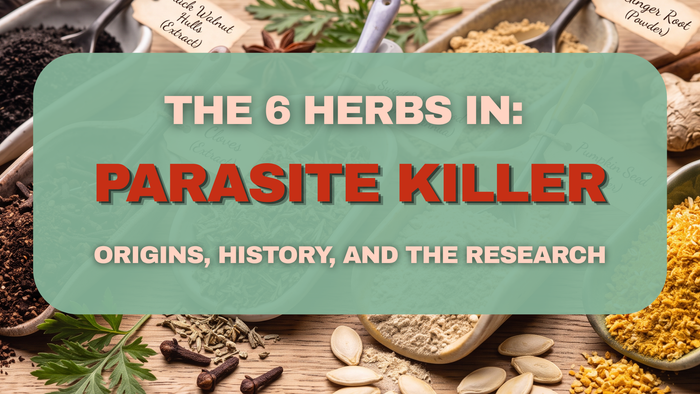
Boost Blenz Parasite Detox is a 30-day herbal parasite-cleansing support protocol. It is designed to support the body’s natural cleansing process using herbs traditionally used for gut cleanup, digestion, elimination, and parasite-focused routines.
-
Green-Black Walnut Hulls
Traditionally used in parasite-cleansing protocols -
Sweet Wormwood
A bitter herb commonly used in cleansing routines -
Cloves
Commonly included in protocols focused on parasite life cycles -
Orange Peel
Supports digestion and gut movement -
Pumpkin Seed Powder
Traditionally used for intestinal cleansing support -
Ginger Root
Supports digestion, circulation, and gut comfort
The goal is to support the gut, support elimination, and complete the full 30-day routine.
Internal Support and External Cleanup

Pinworms are common because their eggs spread easily through everyday contact. They live in the intestines, lay eggs at night, and can keep spreading when the environment is not cleaned.
A serious parasite-cleansing routine should include:
- Internal support with a structured parasite-cleansing protocol
- External cleanup to reduce egg exposure and reinfection
Boost Blenz Parasite Detox gives your body a 30-day herbal support protocol built around traditional cleansing herbs, digestive support, gut cleanup, and consistency.
Clean Up Your Insides. Finish the Full 30 Days!