A liver fluke is a flat parasitic worm that can live in the liver, gallbladder, and bile ducts. The main liver flukes that infect humans include Fasciola, Clonorchis, and Opisthorchis. These parasites usually enter the body through contaminated food, especially raw watercress, freshwater plants, contaminated water, or raw/undercooked freshwater fish.
Key Takeaways
How Liver Flukes Get Into the Body
Liver flukes start their life cycle in water. Snails often act as an intermediate host. From there, the parasite larvae contaminate freshwater plants or enter freshwater fish. Humans become infected when they eat the contaminated plant or fish. Once swallowed, the larvae survive digestion and begin moving deeper into the body.
With Fasciola, the immature flukes move through the intestinal wall, enter the abdominal cavity, penetrate liver tissue, and eventually reach the bile ducts. Inside the bile ducts, they mature into adult flukes and begin producing eggs. This process can take about 3 to 4 months.
What Liver Flukes Do Inside the Body
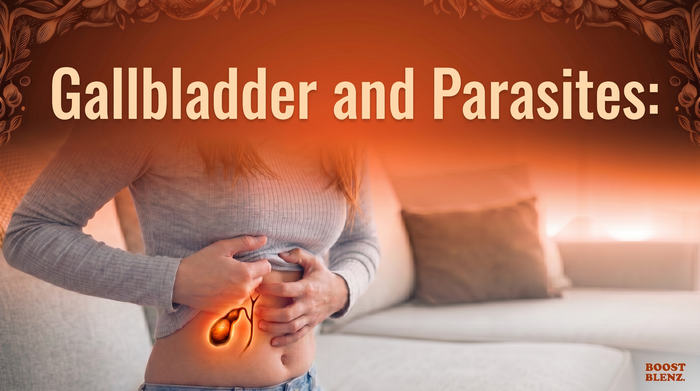
Once inside the bile ducts, liver flukes live in the hepatobiliary system. This is the system that includes the liver, gallbladder, bile ducts, and bile flow.
They can irritate tissue, block bile movement, inflame the bile ducts, and create stress on the liver and gallbladder. Over time, adult flukes may contribute to right-side abdominal pain, nausea, diarrhea, constipation, weight loss, jaundice, itching, abnormal liver tests, gallbladder inflammation, bile duct inflammation, pancreatitis, and liver fibrosis.
This is why liver flukes matter. They are not just "gut parasites." They can interfere with the body's drainage system.
What They Feed On
Liver flukes live in the bile duct system and survive off the host environment. They absorb nutrients from surrounding bile, tissue fluids, and host-derived material. Their presence creates irritation because they are living, feeding, maturing, and reproducing inside a drainage pathway that is supposed to keep bile moving.
What You May Have Been Diagnosed With Instead
Liver fluke symptoms can overlap with common liver, gallbladder, and digestive complaints. A person with fluke exposure may be told they have issues such as:
- Gallbladder problems
- Bile duct inflammation
- Fatty liver concerns
- Elevated liver enzymes
- Unexplained right upper abdominal pain
- Chronic digestive irritation
- Nausea after fatty meals
- Bloating, diarrhea, or constipation
- Pancreatitis-type symptoms
- Jaundice or bile flow issues
- High eosinophils on bloodwork
These patterns do not automatically mean liver flukes are present. They mean the liver, gallbladder, bile ducts, and digestive system deserve closer attention, especially when there has been exposure to raw freshwater fish, contaminated water, livestock areas, watercress, or freshwater plants.

The Boost Blenz Approach: Open Pathways First
At Boost Blenz, the detox process is built around a simple order:
Open drainage first. Then cleanse. Then bind and eliminate.
The liver, bile ducts, kidneys, gut, and lymphatic system all help move waste out of the body. If those pathways are sluggish, aggressive cleansing can feel rough. That is why the body needs support before targeting parasites.
Step 1: Get Bile Moving
Bile flow matters because liver flukes live in the bile duct system. Healthy bile movement supports digestion, fat metabolism, and waste removal.
Boost Blenz uses liver-supporting herbs such as:
- Milk Thistle, supports liver cell protection and liver function
- Turmeric, supports inflammatory balance and bile flow
- Ginger Root, supports digestion, circulation, and gut movement
- Cayenne, supports circulation and digestive fire
- Lemon Powder, supports digestive signaling and mineral movement
Step 2: Support Kidney and Lymphatic Drainage
The body needs elimination routes open. The kidneys filter waste through urine. The lymphatic system moves fluid, waste, and immune byproducts.
Boost Blenz uses kidney and drainage-supporting herbs such as:
- Juniper Berry
- Nettle Root
- Horsetail
- Hydrangea Root
- Blessed Thistle
This phase supports fluid movement, mineral balance, and waste clearance before the parasite phase begins.
Step 3: Use Parasite-Supporting Herbs
The parasite phase uses herbs that target the entire life cycle of the parasite. This herbal combination makes the gut and bile environment less favorable for parasites to thrive, mature, and reproduce. Consistency is key. FINISH ALL 30 DAYS of your cleanse. It is important to wipe them out completely!
Boost Blenz parasite-support ingredients include:
- Green Black Walnut Hulls
- Sweet Wormwood
- Cloves
- Orange Peel
- Pumpkin Seed Powder
- Ginger Root
The goal is to support the body while making the internal environment harder for parasites to complete their cycle.
Step 4: Bind and Eliminate
After parasite cleansing, binders help carry waste through the gut. Boost Blenz uses binders such as:
- Activated Charcoal, binds unwanted material in the digestive tract
- Chlorella, supports heavy metal and detox support pathways
This matters because cleansing is only useful when the body can move waste out.