Modern farming relies heavily on chemicals, big scale, and efficiency. Glyphosate, the main ingredient in Roundup, is one of the most widely used herbicides ever. It gets sprayed on millions of acres of corn, soy, wheat, oats, and other crops every year. That part isn't up for debate.
What people do debate is how safe it really is and what damage it may cause to soil, ecosystems, and human health over time.
A recent executive order (February 2026) prioritizes the supply of glyphosate and related materials for national defense and agriculture. This shows industrial farming isn't planning to drop chemical dependence soon, and it has heated up discussions about food safety, soil health, and public trust.
Key Takeaways
What Glyphosate Is and Why Farmers Use It
Glyphosate is a broad-spectrum herbicide that kills weeds quickly and effectively. Farmers like it because it saves labor, keeps huge monocrop fields uniform, and works well with genetically modified crops designed to survive it.
Today's farming system is built around it: seeds, machines, and planting schedules all depend on chemical weed control. Switching away would be costly and risky, so glyphosate stays dominant.
Glyphosate Causes Cancer
Glyphosate is the active ingredient in Roundup. In 2015, the International Agency for Research on Cancer (IARC, part of WHO) classified it as "probably carcinogenic to humans" (Group 2A). This came from animal studies, lab evidence on how it works in cells, and some limited human data, especially links to non-Hodgkin lymphoma.
The U.S. EPA and several other regulators (like those in Canada, Australia, Europe, and Japan) say that at approved levels, glyphosate is not likely to cause cancer in humans. They reviewed more studies and reached a different conclusion.
Both views exist side by side, which keeps the controversy alive.
Thousands of lawsuits claim glyphosate exposure caused cancers like non-Hodgkin lymphoma. Some big jury verdicts and settlements highlight how concerned the public is.
How Modern Farming Affects Soil and Food Nutrition
Traditional diverse farming has been replaced by monocropping, heavy fertilizers, and herbicides. Over time, this has weakened soil biology: fewer microbes, less organic matter, slower nutrient cycling.
Weak soil means crops depend more on synthetic fertilizers. Studies show regenerative farms have better microbial diversity, water retention, and soil carbon than conventional ones.
Healthy soil supports nutrient-rich food. When soil biology changes, the nutrient content of crops can shift too, even if calories and basics are still there.
Why Smart Countries Restrict Glyphosate
Policies around glyphosate vary worldwide. Some regions allow it with limits. Others restrict public or residential use. Restrictions exist because of scientific disagreement and precautionary policy decisions. There is no global consensus.
The fact that regulations differ from country to country shows how contested the issue remains.

Key Facts About Glyphosate's Impact
- Tens of thousands of lawsuits link exposure to cancer.
- IARC says "probably carcinogenic."
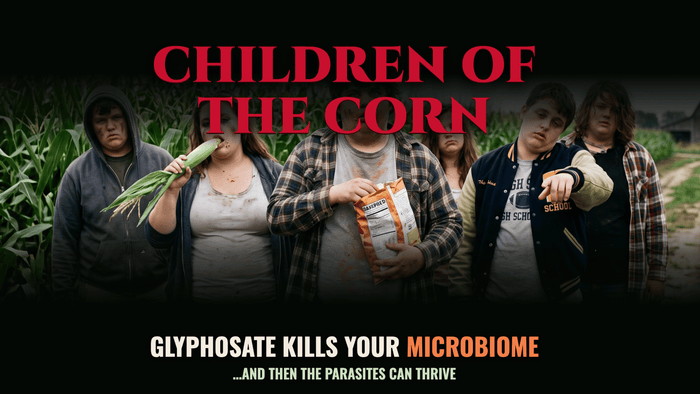
- Some studies show it can affect soil microbes and animal gut bacteria.
- Supporters say it enables no-till farming, which reduces soil erosion.
Evidence goes both ways depending on perspective. That's why debate continues.
Can We Stop or Reduce Glyphosate Use?
Real change comes from markets and policy, not just talk.
- Shoppers can demand better practices.
- Stores can set higher standards for suppliers.
- Farmers switching to regenerative methods cut chemical use over time.
Industrial farming follows money. Enough pressure can shift the system.
Can You "Detox" Glyphosate from Your Body?
No herb, supplement, or detox plan has been proven to fully remove glyphosate.
Research shows it mostly leaves the body through urine and digestion. It doesn't build up long-term.
Reducing exposure is the best approach.
Supporting facts:
- It clears fairly quickly.
- Hydration, fiber, and liver-supporting habits help normal detox pathways.
- These support health but don't undo a chemical-heavy food system.
How Common Is Exposure?
Glyphosate is widespread in the U.S.
- Studies (including CDC/NHANES data from 2013–2018) found it in 70–81% or more of people tested, including kids.
- It's not just farmers. It comes from food, water, and environment.
- Common crops like wheat, corn, soy, and oats are big sources.
The body eliminates it quickly, but repeated exposure keeps levels steady for many people.
Clean living helps, but it can't fully eliminate exposure when the system depends on it.
Real Solutions: Cut Exposure and Fix the Soil
Focus on lowering exposure instead of miracle detoxes.
What works:
- Choose food from regenerative farms.
- Cut back on heavily sprayed staples when you can.
- Push for soil-focused farming.
Regenerative practices include:
- Cover crops
- Crop rotation
- Less tillage
- Rebuilding soil microbes
Healthy soil cuts the need for chemicals over time.
Bottom line: No supplement fixes a chemical-dependent system. Real progress comes from healing the soil and changing how food is grown.
The Fight Continues
Glyphosate isn't just one chemical. It stands for a whole system of chemical efficiency versus calls for soil-first farming. Consumers are waking up. Farmers are trying regenerative methods. Policies keep fueling the debate.
The future depends on soil health, public awareness, and where people spend their money.
The Push for Regenerative Agriculture
The 2026 executive order prioritizing glyphosate supply feels like a step backward to many. It locks farmers into short-term efficiency over long-term soil health.
People hoped for cleaner food, stronger soil, and better practices. Doubling down on chemicals sends the opposite signal.
This isn't only politics. It's about soil, nutrition, and public health. Heavy reliance on GMO monocrops and herbicides has altered farming's biological base. Weak soil makes nutrient-dense food harder and increases chemical needs.
For a healthier future, we need to:
- Reduce GMO monocrop systems tied to heavy herbicides.
- Adopt regenerative practices that rebuild soil life.
- Support farmers who focus on biology over chemicals.
Regenerative farming restores resilience, not a step back. Healthy soil grows healthier crops, which support healthier people. Policies expanding chemical use slow that progress.
The way forward: rebuild soil, demand better practices, and shift the food system to sustain land and people.