Your digestive system is home to one of the most complex ecosystems on Earth. Inside your intestines live trillions of bacteria, fungi, viruses, and other microorganisms known collectively as the gut microbiome.
These organisms are not simply along for the ride. They help digest food, produce vitamins, train your immune system, protect you from harmful microbes, influence inflammation, and even communicate with your brain.
A healthy gut is not about eliminating bacteria. It is about maintaining the right balance between beneficial microbes and harmful ones.
Understanding prebiotics and probiotics is one of the most important parts of supporting that balance, especially during a detox protocol.
Key Takeaways
What Is the Gut Microbiome?
Your gut microbiome contains trillions of microorganisms representing hundreds to thousands of different species.
These microbes perform thousands of functions every day, including:
- Breaking down dietary fiber
- Producing short-chain fatty acids that nourish the colon
- Manufacturing certain B vitamins and vitamin K
- Supporting immune function
- Helping regulate inflammation
- Assisting digestion
- Preventing harmful bacteria from taking over
- Supporting the intestinal barrier
Scientists often compare the microbiome to an entire rainforest. When the ecosystem is diverse and healthy, everything functions efficiently. When diversity is lost, problems begin.
What Are Probiotics?
Probiotics are living microorganisms that provide health benefits when consumed in adequate amounts.
Think of probiotics as the beneficial workers that help maintain order inside your digestive tract.
Common probiotic bacteria include:
- Lactobacillus
- Bifidobacterium
- Saccharomyces boulardii (beneficial yeast)
- Bacillus species
- Streptococcus thermophilus
Different strains perform different jobs.
Some improve digestion.
Some help produce vitamins.
Some compete against unwanted microbes.
Some strengthen the intestinal barrier.
Some influence immune function.
There is no single "best probiotic." Different strains have been studied for different purposes.
What Are Prebiotics?
Prebiotics are not bacteria.
They are fibers and plant compounds that feed beneficial bacteria.
Think of prebiotics as fertilizer for your microbiome.
Without food, even healthy bacteria cannot survive.
Common prebiotic fibers include:
- Inulin
- Fructooligosaccharides (FOS)
- Galactooligosaccharides (GOS)
- Resistant starch
- Pectin
- Beta-glucans
When gut bacteria digest these fibers, they produce compounds called short-chain fatty acids.
These compounds help:
- Nourish the colon
- Support healthy intestinal cells
- Reduce inflammation
- Maintain the gut barrier
- Support normal immune function
The Difference Between Prebiotics and Probiotics
The easiest way to remember the difference:
Probiotics = the beneficial bacteria.
Prebiotics = the food those bacteria eat.
You need both.
Taking probiotics without enough fiber is like buying livestock without providing feed.
Eating prebiotic fiber without beneficial bacteria may limit the benefits if your microbiome has already become depleted.
The Easiest Way to Remember the Difference
What Causes Gut Imbalance?
Scientists use the term dysbiosis to describe an unhealthy imbalance in the microbiome.
Many modern lifestyle factors can contribute:
- Diets high in ultra-processed foods
- Excess sugar
- Low fiber intake
- Frequent antibiotic use
- Chronic stress
- Poor sleep
- Heavy alcohol consumption
- Antibiotics
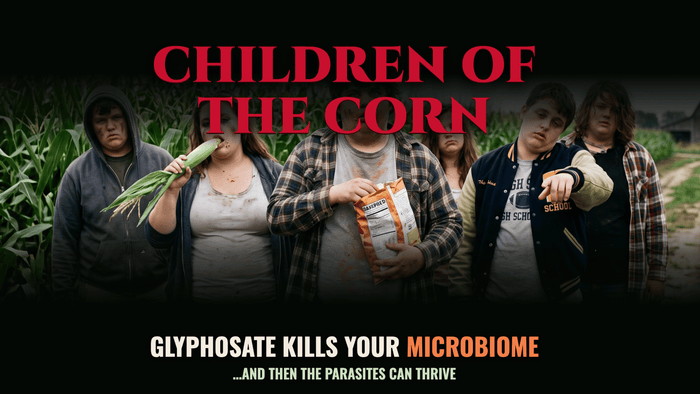
- Glyphosate (Pesticides)
- Environmental exposures
- Certain medications
Over time, beneficial bacteria may decline while less desirable organisms become more abundant.
Signs Your Gut May Need Support
Everyone experiences digestive symptoms from time to time, but persistent issues may indicate an unhealthy gut environment.
Common symptoms include:
- Gas
- Bloating
- Constipation
- Diarrhea
- Food sensitivities
- Irregular bowel movements
- Frequent digestive discomfort
The gut also communicates with many other systems throughout the body, which is why researchers continue studying possible connections between gut health and overall wellness.
Why Your Gut Matters During Detox
Many detox programs focus on supporting the liver and kidneys.
Those organs are essential.
But your digestive tract is equally important.
The body processes unwanted compounds through the liver, where many are released into bile and emptied into the intestines.
From there, they must leave the body through regular bowel movements.
If bowel movements become slow or irregular, waste may remain in the digestive tract longer than intended.
Maintaining healthy digestion and regular elimination is one reason many people emphasize hydration, fiber, movement, and adequate nutrition during a wellness program.
A healthy microbiome also helps maintain the intestinal barrier, supports normal digestion, and contributes to overall gut function.

Should You Take Pre and Probiotics During a Detox?
Yes!
Supporting beneficial bacteria while making dietary improvements may help maintain a healthier gut environment.
Many probiotic manufacturers recommend taking them:
- With food
- Or shortly before eating
Food may help buffer stomach acid, improving the survival of certain bacterial strains as they travel through the digestive tract.
Always follow the directions provided with your specific product.
Best Natural Sources of Probiotics
Fermented foods naturally contain beneficial microorganisms.
Examples include:
- Yogurt with live cultures
- Kefir
- Sauerkraut
- Kimchi
- Miso
- Tempeh
- Traditional fermented pickles
- Kombucha
Not every fermented food contains live bacteria.
Some products are pasteurized after fermentation, which kills many microorganisms.
Look for products that state they contain "live and active cultures."
Look for Live and Active Cultures
Best Natural Sources of Prebiotics
Many whole plant foods naturally contain prebiotic fibers.
Excellent sources include:
- Garlic
- Onions
- Leeks
- Asparagus
- Chicory root
- Jerusalem artichokes
- Bananas (especially slightly green)
- Oats
- Apples
- Flaxseed
- Barley
- Beans
- Lentils
Eating a wide variety of colorful fruits and vegetables supports greater microbial diversity.
Building a Healthy Gut During Detox
A simple approach includes:
- Drink adequate water throughout the day.
- Eat plenty of fiber-rich vegetables.
- Include natural prebiotic foods daily.
- Consider fermented foods if they fit your diet.
- Take a quality probiotic if appropriate.
- Support regular bowel movements.
- Exercise regularly.
- Prioritize sleep.
- Minimize excess sugar and ultra-processed foods.
When Should I Eat Prebiotic and Probiotic Foods During a Boost Blenz Detox?
A good time to begin increasing prebiotic and probiotic foods is during the second week of your detox. As your diet becomes cleaner and your digestive system adjusts, beneficial bacteria have a better environment to grow and thrive.
Continue eating fiber-rich vegetables, fermented foods, and other natural sources of prebiotics and probiotics throughout your detox and after it is complete. Supporting your gut microbiome is not just part of a detox, it is a long-term habit that helps maintain healthy digestion and overall wellness.
Start in Your Second Week
Your gut microbiome is one of the body's most important ecosystems.
Probiotics introduce beneficial microorganisms.
Prebiotics feed those microorganisms and help them thrive.
Together, they support digestion, immune function, nutrient metabolism, and the health of your intestinal lining.
During a detox, paying attention to your gut is just as important as supporting your liver and kidneys. A healthy microbiome helps maintain normal digestive function and creates an environment where beneficial bacteria can flourish.