Why Pet Owners Are at Higher Risk for Parasites?
Owning pets comes with benefits but also hidden exposure risks. Dogs and cats frequently carry parasites that can transfer to humans through:
- Fur and dander
- Saliva (licking hands or face)
- Contaminated soil or litter boxes
- Barefoot contact in yards or parks
According to the CDC, millions of Americans are exposed to zoonotic parasites each year, many without realizing it.
Key Takeaways
The Most Common Parasites Pet Owners Are Exposed To
1: Roundworms (Toxocara)
One of the most widespread parasites found in dogs and cats.
How it spreads:
- Eggs in pet feces
- Contaminated soil (yards, parks)
Why it matters:
- Can migrate through human tissues
Linked to fatigue, brain fog, and immune disruption.
2: Hookworms
Microscopic parasites that penetrate the skin.
How it spreads:
- Walking barefoot on contaminated ground
Symptoms:
- Skin irritation
- Digestive issues
- Low energy
3: Tapeworms
Often transmitted through fleas or contaminated environments.
How it spreads:
- Flea ingestion (pets → humans indirectly)
Common signs:
- Digestive discomfort
- Nutrient depletion
4: Giardia
A protozoan parasite affecting the gut.
How it spreads:
- Contaminated water
- Pet feces exposure
Symptoms:
- Bloating
- Diarrhea
- Chronic gut issues
5: Toxoplasma Gondii
Commonly associated with cats.
How it spreads:
- Litter boxes
- Undercooked meat
Why it matters:
- Can impact neurological health
Especially risky for pregnant women.

Signs You May Be Dealing with These Parasites
Many people never connect symptoms back to parasites. Watch for:
- Brain fog
- Sugar cravings
- Digestive issues (bloating, gas)
- Skin irritation
- Fatigue
- Sleep disturbances
These symptoms often overlap with modern lifestyle issues, making parasites easy to overlook.
Why Parasites Thrive in Modern Environments
Parasites don't just come from "dirty conditions." Today, exposure is constant due to:
- Indoor pets sleeping in beds
- Processed food weakening gut defenses
- Chemical exposure disrupting immunity
- Poor soil quality affecting microbiome diversity
This creates the perfect environment for parasites to survive and persist.
Natural Parasite Detox: How To Do It Right
A Natural Parasite Detox isn't about aggressive elimination, it's about restoring balance.
Step 1: Prepare the Body (Open Detox Pathways)
Before targeting parasites, support:
- Liver function
- Kidney filtration
- Digestive flow
This helps your body process and eliminate toxins safely.
Step 2: Target Parasites with Herbs
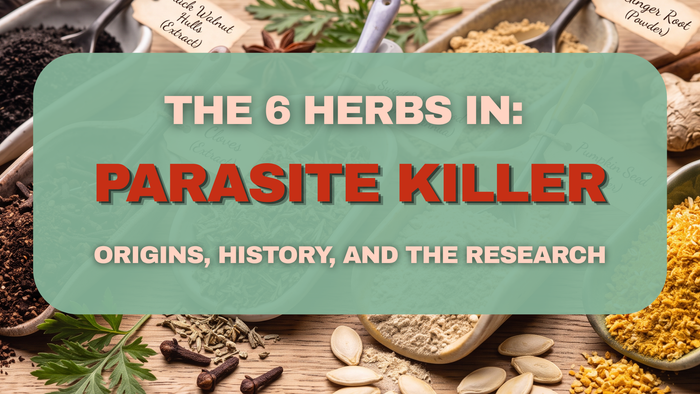
Traditional herbal ingredients used in Natural Parasite Detox protocols include:
- Black Walnut Hull
- Wormwood
- Cloves
- Pumpkin Seed
- Orange Peel
These herbs have been used historically to disrupt parasite life cycles.
Step 3: Break Biofilms
Parasites often hide behind protective layers.
Support breakdown with:
- Ginger
- Garlic
This helps herbs reach deeper into the system.
Step 4: Bind and Eliminate
Once parasites are disrupted, toxins must be removed.
Common binders include:
Activated Charcoal – Highly porous, adsorbs toxins, chemicals, and parasite waste in the gut to prevent reabsorption.
Chlorella (natural heavy metal and toxin binder) – Binds heavy metals, supports detox pathways, and helps escort toxins out safely.
This step is critical to avoid reabsorption.
Step 5: Rebuild and Remineralize
After detox:
- Restore minerals
- Support gut health
- Rehydrate properly
This is where most detox protocols fail, and where long-term results are made.
How Often Should Pet Owners Do a Parasite Detox?
Due to constant exposure, many people benefit from:
- 1–2 full detox cycles per year
- Ongoing gut and immune support
Pet owners, in particular, face continuous reinfection risk, making consistency key.
Living With Pets Doesn't Mean Living With Parasites
Pets are part of the family, but that doesn't mean you should ignore the hidden risks.
With the right approach:
- You can reduce exposure
- Support your body naturally
Stay ahead of chronic issues before they build.